Every winter, we get the same worried call: "There are gaps between my hardwood boards that weren't there in July - did something go wrong?" Almost always, the answer is no - it's simply what wood does in a Front Range winter, and understanding why turns a scary discovery into a manageable, expected part of owning hardwood floors at altitude.
Why Gaps Show Up Every Winter
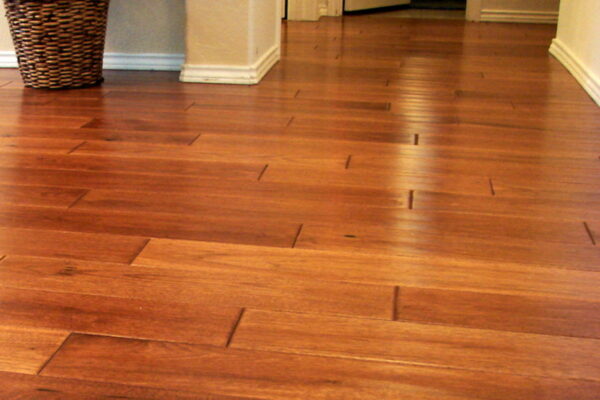
Wood releases moisture into dry air and absorbs it from humid air, expanding and contracting slightly as it does. Denver's winter combination of naturally low humidity plus a furnace running for hours a day can push indoor relative humidity down into the teens or low twenties - far drier than the 35-55% range wood flooring is generally happiest in. As boards lose moisture, they shrink slightly in width, and hairline gaps appear between them. Come summer, humidity climbs back up, the wood reabsorbs moisture, and most of those gaps close back up on their own.
When Gapping Is Normal vs. a Problem
Small, uniform gaps that appear each winter and largely close each summer are considered normal seasonal movement, not a defect. What's worth a closer look is gapping that doesn't close in summer, gaps that are noticeably wider in one area than the rest of the room (which can point to a subfloor or moisture issue rather than simple seasonal dryness), or boards that are cupping or crowning rather than just gapping at the seams. If you're seeing any of those, it's worth a professional look rather than assuming it will resolve itself - our guide on refinishing versus replacing covers how to tell the difference.
The Fix: Managing Indoor Humidity
The single most effective thing a Front Range homeowner can do for their hardwood floors is stabilize indoor humidity through the heating season. A whole-home humidifier tied into your furnace is the most consistent solution, but portable humidifiers in the rooms with the most hardwood can help too. Aim to keep indoor relative humidity in the 35-45% range through winter - comfortable for your skin and sinuses, and noticeably kinder to your floors.
- Run a whole-home or portable humidifier through the heating season, targeting 35-45% relative humidity.
- Avoid placing floor vents so they blast hot, dry air directly across exposed hardwood.
- Use furniture pads and area rugs to reduce point-load stress, especially on older boards.
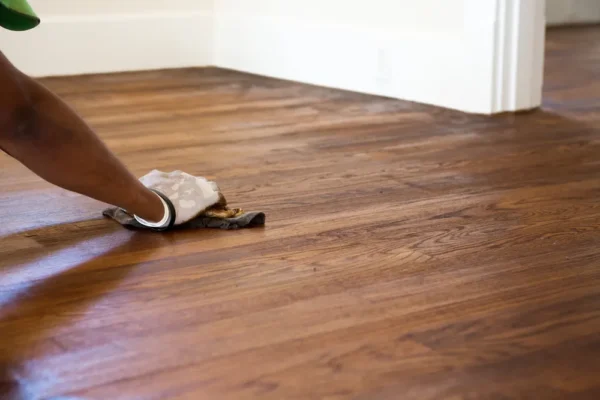
- Wipe up spills quickly - dry wood in winter can actually absorb liquid faster at the surface.
- Keep an eye on gaps year over year; new, unusually wide gaps that don't close by summer deserve a look.
Signs Your Home's Air Is Too Dry, Beyond the Floors
Hardwood usually isn't the only thing in a Front Range home complaining about winter dryness - static shocks on doorknobs, cracked skin, dry sinuses, and hairline cracks appearing in wood furniture or trim are all signs that indoor humidity has dropped further than is comfortable for people or wood alike. If several of these show up together each winter, it's a good sign that a whole-home humidifier would pay for itself in comfort well beyond just protecting your floors.
Does This Mean Hardwood Is a Bad Choice Here?
Not at all - hardwood remains one of the most requested floors we install across Lakewood, Golden, and the rest of the metro, and normal seasonal gapping is a manageable trade-off for the durability and resale appeal it offers. If moisture swings are a bigger concern for a specific room - a walkout basement, say, or a sunroom with big daily temperature shifts - luxury vinyl plank is worth considering instead, since it doesn't move with humidity the way solid wood does.
Worried about gapping or cupping in your floors?
Get a free professional assessmentA Few Myths Worth Retiring
"My furnace has a humidifier built in, so I don't need a separate one" is one of the most common misconceptions we hear - many furnace humidifiers are undersized for the square footage they're asked to cover, or set well below the level needed to protect hardwood specifically. Another common myth: that gapping means the floor was installed wrong. In the vast majority of cases, seasonal gapping in a Front Range home simply reflects the climate, not a workmanship issue, and it happens even to floors installed by the most experienced crews in town.
When to Call a Professional
If your floors show wide gaps that persist year-round, visible cupping, or finish that's cracking along the seams, it's worth a look before the damage progresses. Nate has spent over 20 years reading exactly these symptoms on Front Range homes and can tell you quickly whether a humidifier and a little patience will solve it, or whether it's time to talk about refinishing. Either way, a quick, honest answer beats guessing - book a free estimate or read what other homeowners have said about the process on our reviews page.