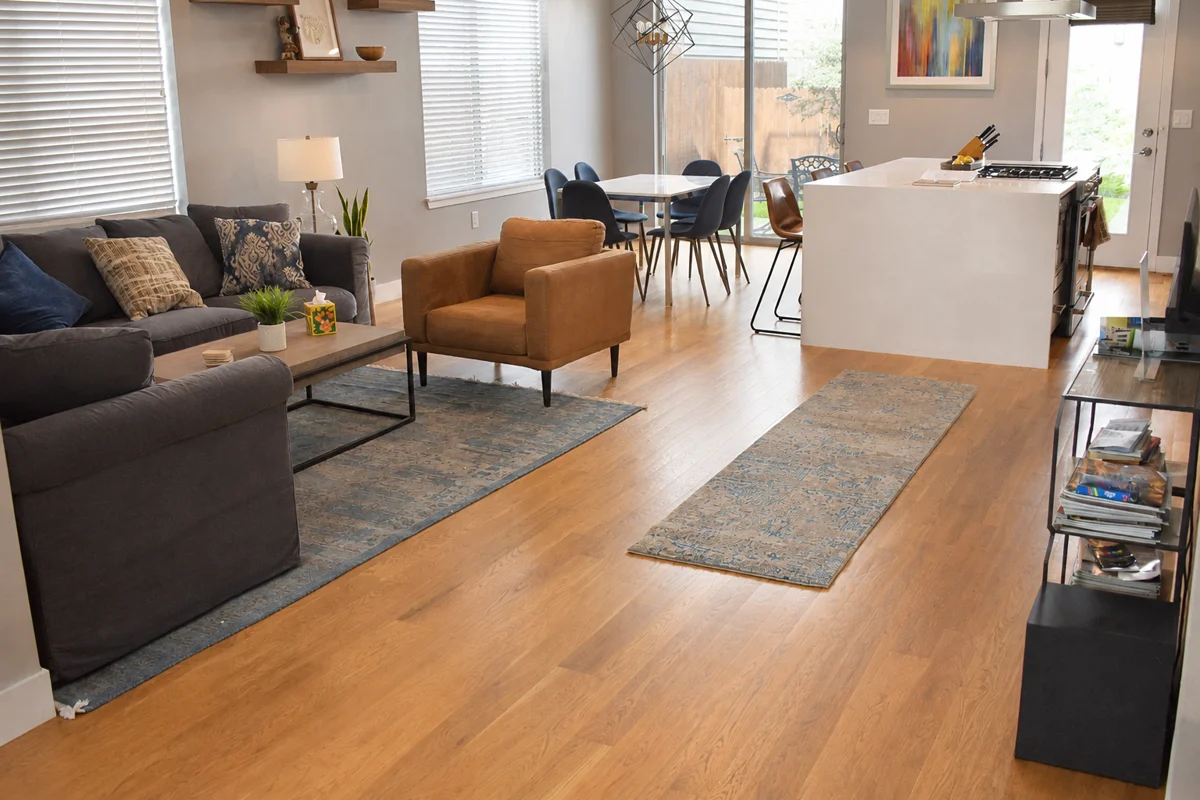
This is the question we field more than almost any other on an in-home estimate: should it be real hardwood, or a luxury vinyl plank that looks close enough? The honest answer depends less on your taste and more on your climate, your subfloor, and which room you're actually flooring - and Denver's particular mix of dry air, altitude, and big seasonal temperature swings tips that answer in specific directions.
The Core Difference: How Each Handles Colorado's Climate
Solid hardwood is a natural material, and natural materials move with humidity. Along the Front Range, where winter indoor humidity can drop into the teens while a heating system runs constantly, hardwood can develop small gaps between boards as the wood loses moisture - a normal seasonal occurrence that we cover in more detail in our guide to dry winters and hardwood. Luxury vinyl plank, built from engineered synthetic layers, doesn't react to humidity swings the same way. It stays dimensionally stable through Denver's driest Januaries and its more humid summer monsoon weeks alike.
Water and Moisture
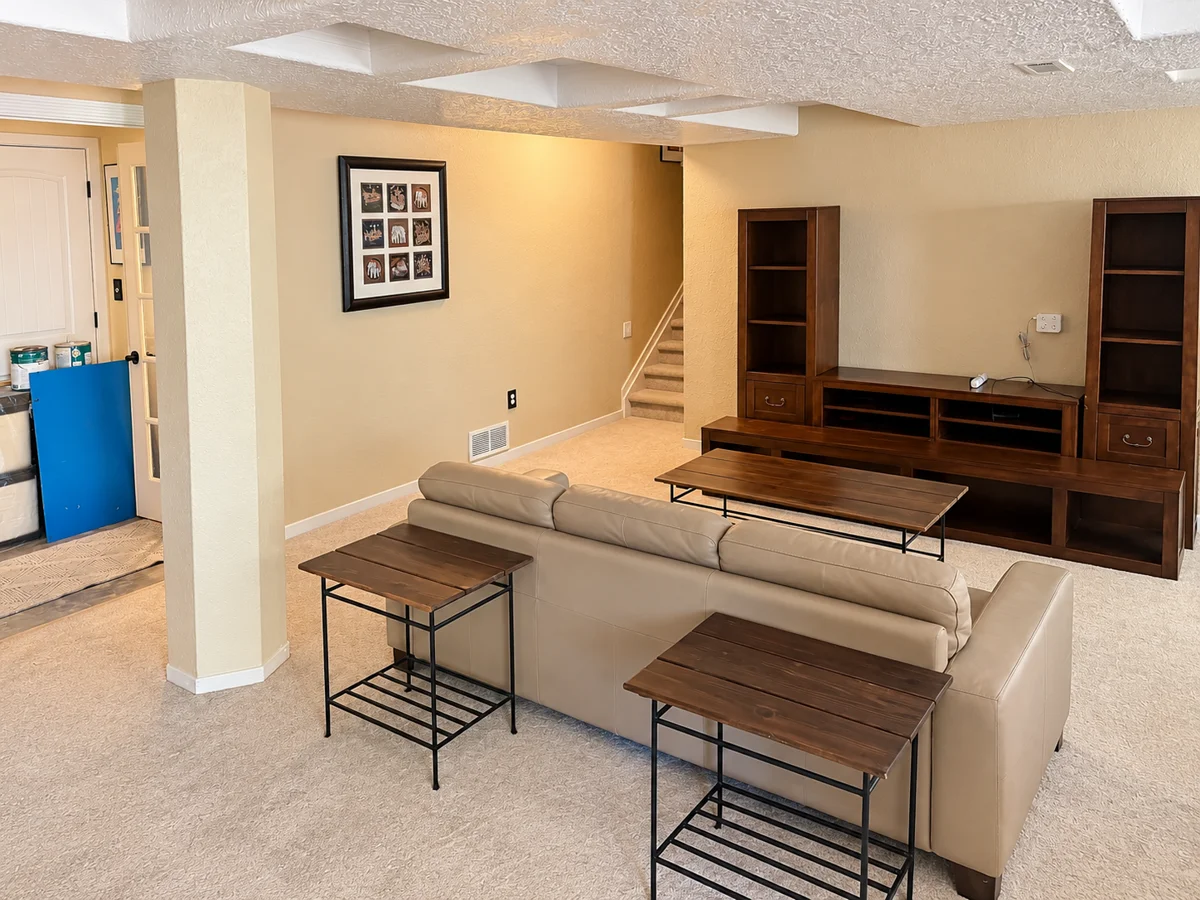
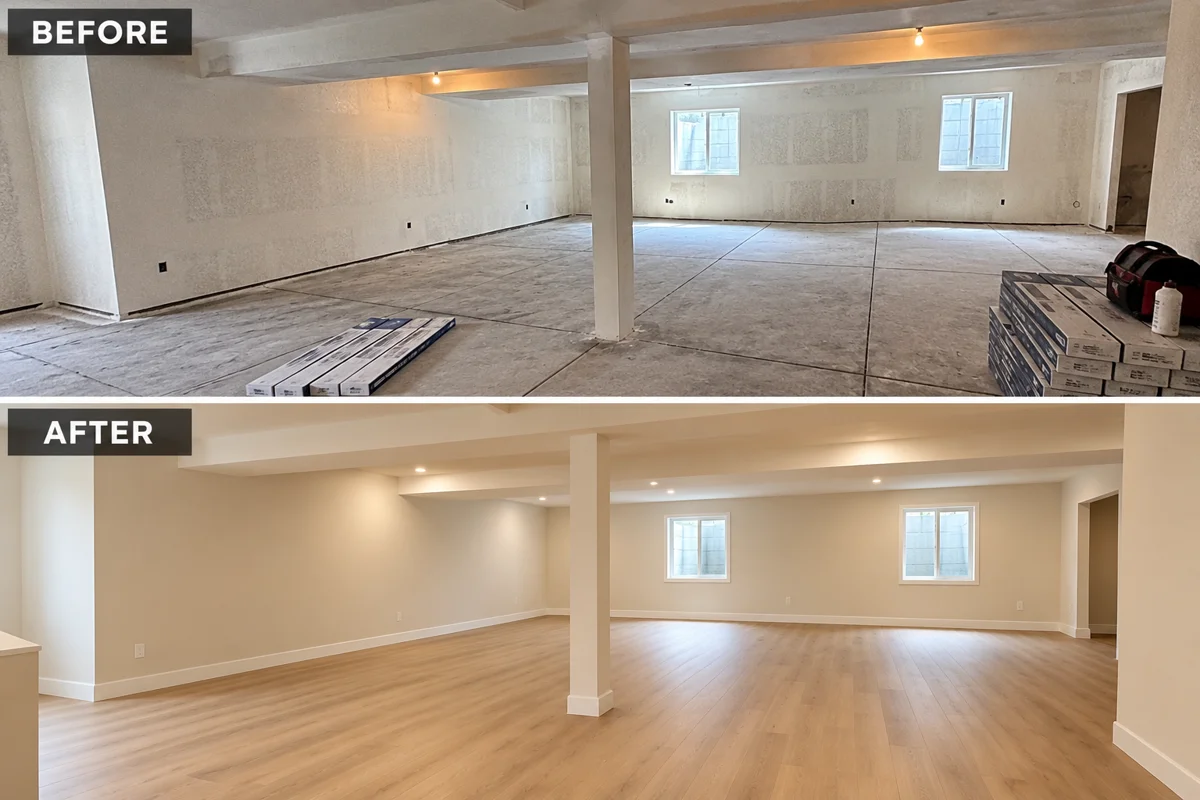
LVP is fully waterproof, which makes it the safer pick for basements, entryways that catch snowmelt off boots eight months a year, and kitchens. Hardwood, even with a quality finish, isn't meant for standing water or high-moisture basement environments - a below-grade Denver basement is generally not a candidate for solid hardwood regardless of how the rest of the house is floored.
Cost and Long-Term Value
Hardwood typically runs $8-$15 installed per square foot in the metro, while quality LVP runs $5-$11. Hardwood tends to win on resale appeal in Front Range listings, especially in higher-end neighborhoods around Greenwood Village and Cherry Creek-adjacent areas, while LVP wins on upfront cost and on rooms where water risk makes hardwood a non-starter anyway. For exact numbers by room, our flooring cost guide breaks down the full range.
Feel and Longevity
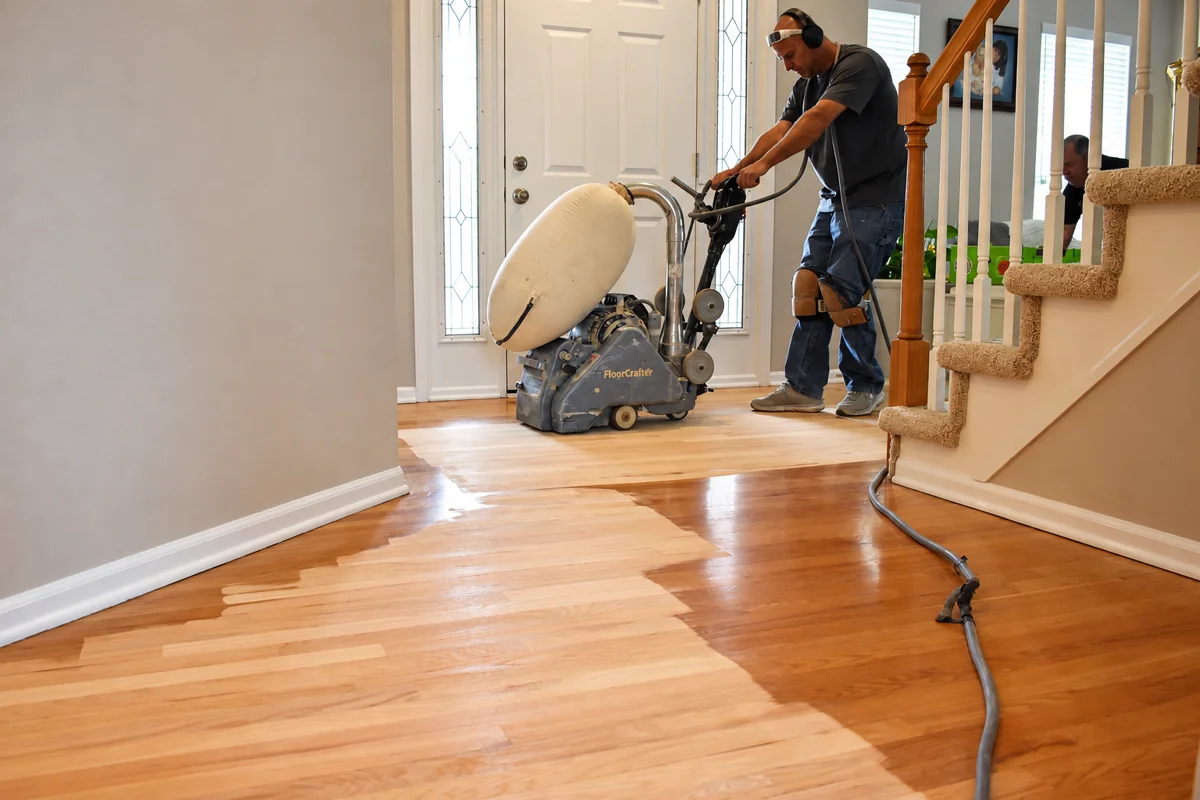
Hardwood can be sanded and refinished multiple times over its lifespan - a scratched or dated floor gets a second life rather than a replacement, which our refinishing service handles start to finish. LVP can't be refinished; when the wear layer is damaged, the affected planks are replaced instead. Both are click-lock or glue-down floating installs in most modern products, though hardwood generally requires more acclimation time to your home's specific humidity before installation - another reason altitude and season matter here more than in milder climates.
Allergies, Air Quality, and Installation Time
Both surfaces are considered allergy-friendly compared to carpet, since neither traps dust or dander in fibers. Hardwood typically needs several days of acclimation in your home before installation so the wood can adjust to your specific indoor humidity before it's nailed or glued down - skipping this step is a common cause of problems down the line. LVP needs little to no acclimation and can often go from delivery to installed floor within a day or two, which matters if you're working around a tight moving timeline.
Not sure which one fits your home?
Get a free in-home comparisonA Note on Style and Resale Together
Homeowners planning to stay put for decades can lean fully into whichever material fits their daily life best, since resale is a distant concern. If a move is realistic within the next five to ten years, it's worth weighing hardwood a bit more heavily in main living areas even where LVP would perform just as well day to day - the resale premium tends to outweigh the modest cost difference for buyers who specifically search listings for hardwood floors.
Which Should You Choose by Room?
- Basements and below-grade spaces: LVP, for full waterproofing regardless of moisture risk.
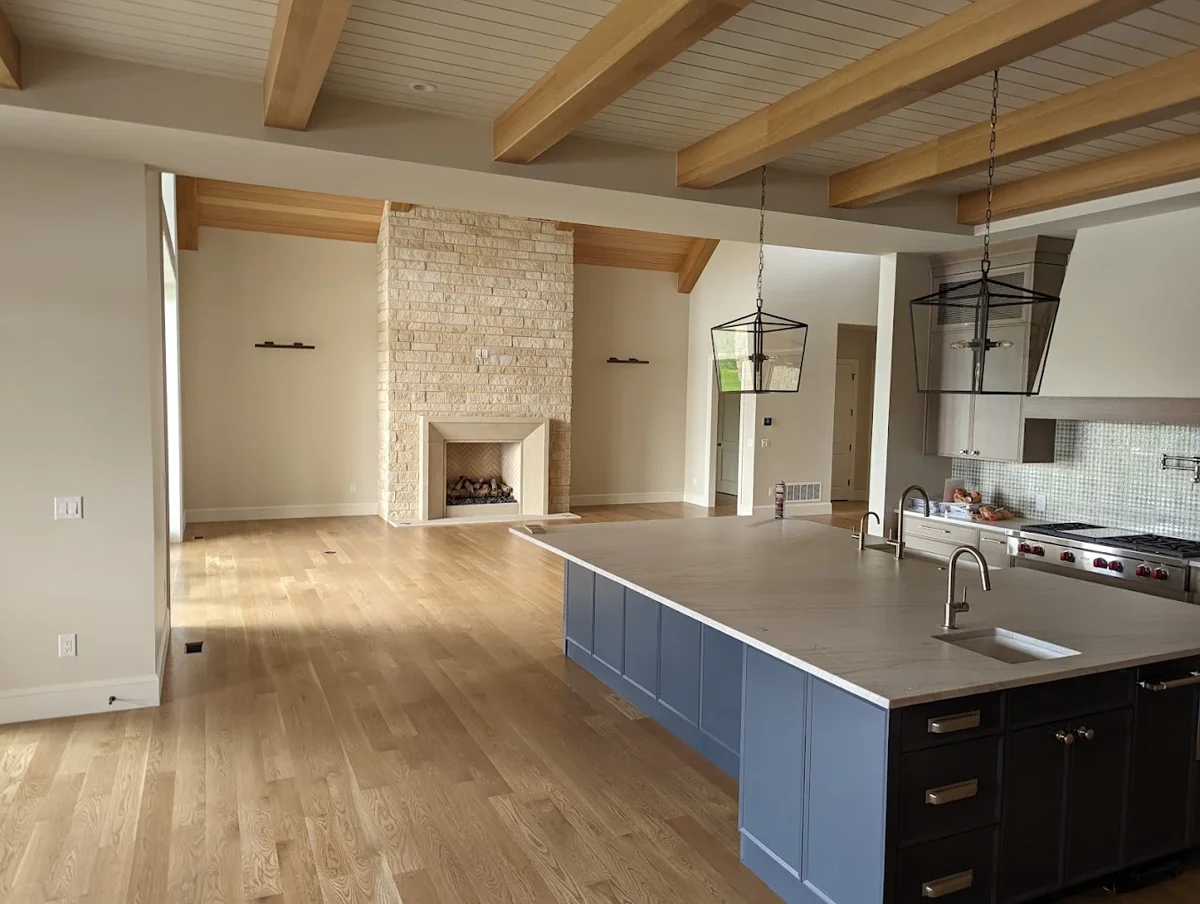
- Main living areas and formal spaces: hardwood, for resale value and long-term refinishing options.
- Kitchens and entryways that see snow and mud: LVP for easy cleanup.
- Bedrooms and low-moisture upper floors: either works well - it becomes a style and budget decision.
- Homes planning to sell within a few years: hardwood tends to show stronger in Front Range listings.
Let Us Help You Decide
We install both, which means we have no reason to steer you toward the pricier option when it's not the right fit. During your free in-home estimate, we'll look at your subfloor, your moisture exposure, and how you actually use the room before making a recommendation. Check out our reviews to see how that approach has worked out for homeowners across the metro, or explore our full range of services if you're weighing more than one room at once.