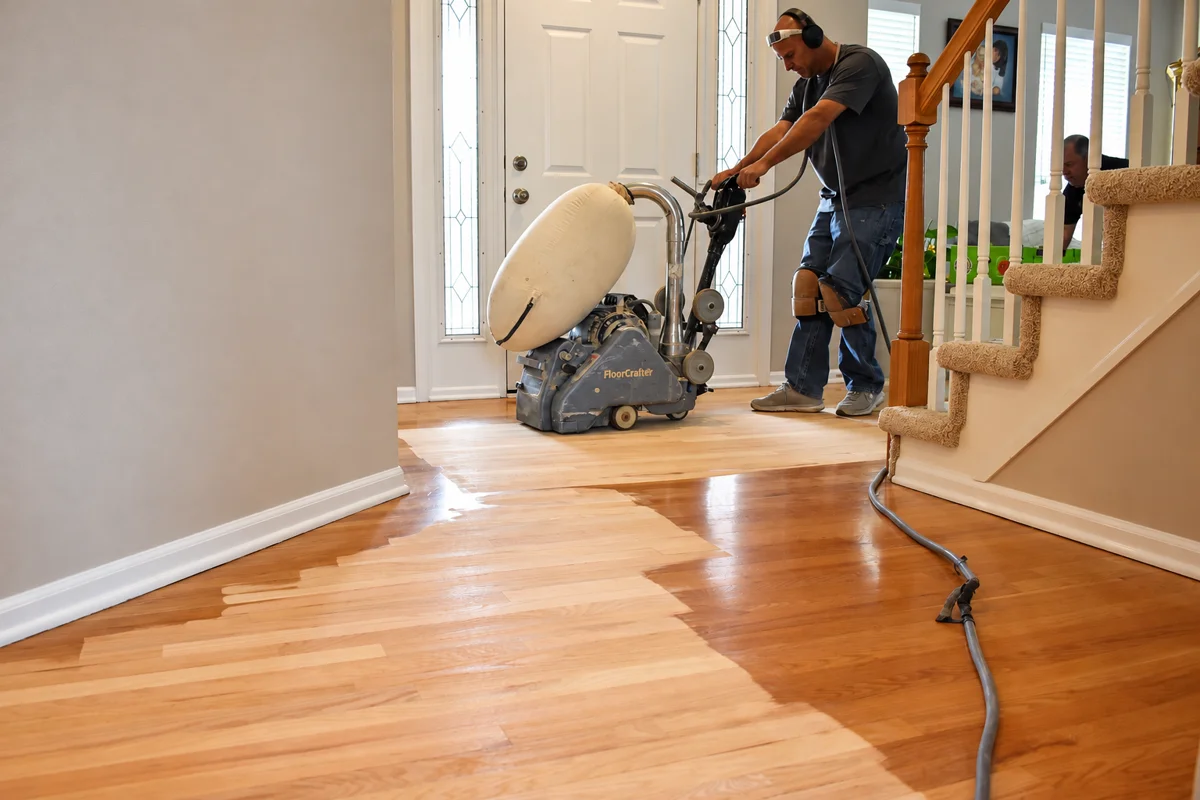
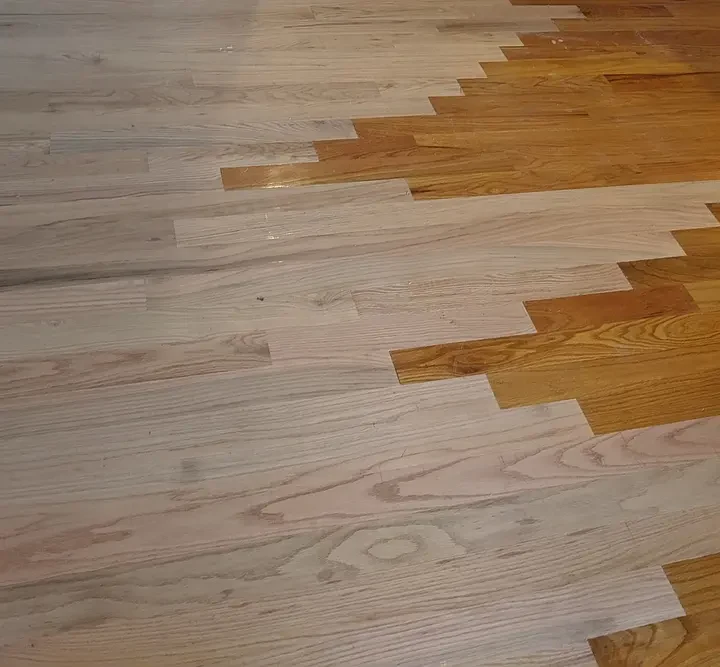
"Can this be saved?" is the question we get asked more than any other when we walk into a home with tired, scratched-up hardwood. It's a fair question, and the answer isn't always what homeowners expect - floors that look genuinely rough are often perfect refinishing candidates, while floors that look fine on the surface sometimes have structural issues that refinishing can't fix. Here's how to actually tell the difference before you commit to either path.
The Nail Test: A Quick First Check
One simple test we use on nearly every visit: run a fingernail lightly across a scratched or worn area. If the nail catches on bare wood with the finish clearly worn through, that's a strong sign the floor has enough wood thickness left for sanding and refinishing. If the boards feel soft, spongy, or show visible rot rather than just worn finish, that points toward replacement instead - refinishing can't fix structural wood damage.
Signs Refinishing Will Solve It
- Surface scratches, scuffs, and dulled finish from years of foot traffic.
- Sun-fading or discoloration from years of Colorado's strong high-altitude UV exposure through windows.
- Minor water rings or light staining that hasn't penetrated deep into the wood.
- A finish that's worn through in walking paths but boards themselves remain solid.
- Boards that are cupping slightly from seasonal humidity swings but aren't structurally compromised.
Signs Replacement Is the Better Call
- Boards that feel soft, spongy, or show visible rot or mold from past water damage.
- Wood that's already been sanded down close to the nail line from previous refinishing jobs.
- Warping or buckling severe enough that boards no longer sit flat against the subfloor.
- Gaps so wide and permanent that sanding and refinishing wouldn't meaningfully improve the look.
- Damage covering such a large area that patch-repairing individual boards isn't cost-effective versus full replacement.
How Many Times Can a Floor Be Refinished?
Solid hardwood can typically be sanded and refinished several times over its life, since each pass removes only a thin layer of wood to reach a fresh surface. Engineered hardwood has a thinner top wear layer and can usually handle only one or two light refinishes before the veneer runs out. If you don't know which type you have or how many times it's already been refinished, that's exactly the kind of question we answer on-site during a free estimate rather than guessing.
What a Professional Assessment Actually Looks At
When we walk a room, we're checking more than the surface finish. We'll look at how far the boards have already been sanded on past refinishes (visible by how close the tongue-and-groove joints sit to the surface), test for moisture and softness at any stained or discolored areas, and check whether gaps or cupping trace back to normal seasonal movement versus a subfloor problem underneath. That combination of checks is what turns "can this be saved?" from a guess into a confident answer.
The Cost Difference Is Significant
Refinishing is meaningfully less expensive than full replacement in most cases, since it reuses your existing wood rather than requiring new material and full tear-out. That's exactly why an honest assessment matters - recommending a full replacement when refinishing would do the job just as well isn't good business, and it isn't how Nate has built two decades of repeat referrals across the metro.
What If Only Part of the Floor Is Damaged
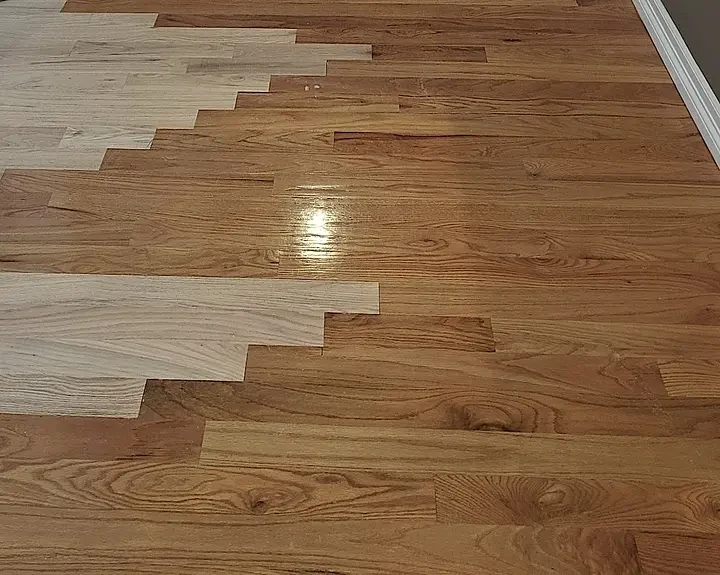
Sometimes the honest answer is neither a full refinish nor a full replacement, but a targeted board repair - swapping out a handful of water-damaged or deeply gouged boards near a doorway or under a radiator while leaving the rest of a healthy floor alone. This works best when the replacement boards can be matched closely in species and finish, which is easier the sooner it's addressed, since older wood tones shift slightly with age and UV exposure over the years.
Not sure which your floors need?
Get a free, honest assessmentLet Us Take a Look
There's no substitute for an in-person look at your specific boards, your home's history, and how the floor has aged. During your free in-home estimate, we'll give you a straight answer on refinishing versus replacement - and if replacement is genuinely the better call, we'll walk you through hardwood options that fit your budget and style. Read about other homeowners' experience with this exact decision on our reviews page.