Denver homeowners deal with a version of "mud season" that catches transplants off guard: eight-plus months a year where boots track in some combination of snow, slush, gravel-melt, and mud before the first real thaw ever arrives. Whatever's on the floor at your front door and in your bathrooms takes that abuse daily, which is exactly why tile remains the standard for both spaces even as other flooring trends come and go.
Why Tile Wins in These Two Rooms
Bathrooms and entryways share one demand that other rooms don't: near-constant exposure to water and grit. Tile, whether porcelain or ceramic, is completely waterproof at the surface, resists staining from salt and de-icer tracked in on boots, and stands up to the gritty abrasion of sand and gravel far better than wood-look products with a printed wear layer.
Porcelain vs. Ceramic for Front Range Homes
Porcelain tile is denser and less porous than standard ceramic, which makes it the stronger pick for an entryway that sees standing puddles of snowmelt through a Colorado winter. Ceramic is a bit more budget-friendly and performs perfectly well in bathrooms with normal moisture exposure. Both come in an enormous range of finishes now, including convincing wood-look and stone-look options if you want the durability of tile without a purely stone-cold aesthetic.
Slip Resistance Matters More Than You'd Think
A wet entryway floor in January is a real fall risk, so slip resistance deserves as much attention as looks. Textured or matte-finish tiles, or a layout using smaller tiles with more grout lines, meaningfully improve traction over large, high-gloss slabs. If you have young kids or aging parents visiting through the winter, it's worth flagging slip resistance specifically during your free estimate so we can steer you toward a finish that balances style and safety.
Radiant Heat: A Popular Upgrade Here
Because tile reads cold underfoot - a real drawback during a Front Range winter - many homeowners add electric radiant floor heating beneath bathroom tile during installation. It's a relatively small add during the initial install and transforms how a bathroom feels on a January morning. Worth discussing at the estimate stage since it needs to be planned before tile goes down, not after.
Grout, Sealing, and Long-Term Care
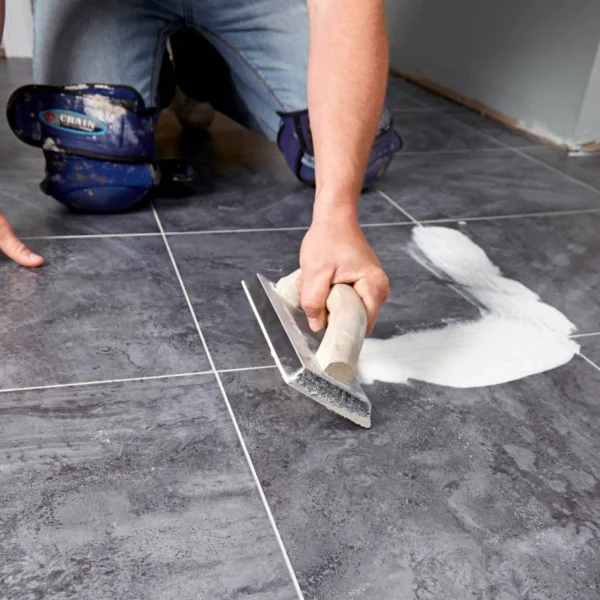
Grout lines are the one part of a tile floor that need ongoing attention - unsealed grout can absorb moisture and staining over time, especially in a mudroom handling salt and de-icing chemicals all winter. Sealing grout at install and re-sealing every year or two keeps both bathrooms and entryways looking new far longer, and it's a five-minute conversation we're happy to have during your estimate.
- Choose porcelain over ceramic for high-traffic entryways exposed to snow, mud, and de-icer.
- Prioritize a textured or matte finish for slip resistance in wet-prone areas.
- Consider radiant floor heating under bathroom tile - it needs to be planned before installation.
- Seal grout at install and reseal every 1-2 years, especially in mudrooms.
- Larger format tiles mean fewer grout lines to maintain, but slightly less slip texture.
What Tile Actually Costs Installed
Tile typically runs $7-$15 installed per square foot across the metro, with the range driven mainly by tile grade, layout complexity, and how much prep the subfloor needs before setting begins - a bathroom with an aging plywood subfloor or a slight slope toward a drain often needs leveling work that a straightforward entryway wouldn't. Complex layouts like herringbone patterns, mosaic accents, or a mix of floor and wall tile in the same shower push toward the top of that range, while a straightforward entryway in a single large-format tile lands closer to the bottom.
Planning a bathroom or entryway refresh?
Get your free in-home tile estimateTile Elsewhere in the House
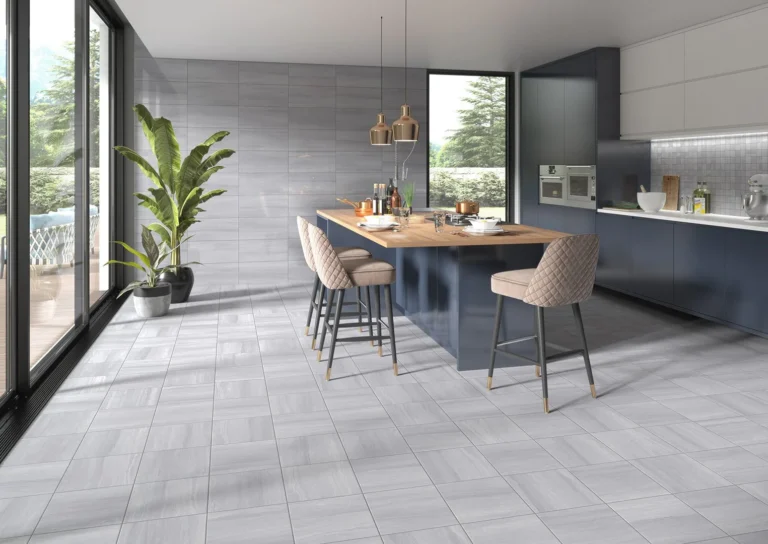
While bathrooms and entryways are the classic tile rooms, plenty of Front Range homeowners extend the same material into a kitchen for a consistent look and the same easy cleanup, or into a mudroom off the garage that takes the brunt of ski and hiking gear traffic. The same waterproofing and durability logic applies in every case: wherever water, grit, and heavy traffic converge, tile tends to be the material that ages best.
Let's Talk Through Your Space
Every entryway and every bathroom handles Colorado's seasons a little differently depending on sun exposure, layout, and how your household actually comes and goes. During a free in-home estimate, we'll walk your specific space, talk through porcelain versus ceramic, and give you a real installed number - not a per-box price that ignores prep and labor. See the full range of what we install on our services page, or read about past projects on our reviews page.